


At an exhibition, the design and construction of a booth can make an exhibiting company stand out among many others, attracting more visitors. In booth design, the design of lighting is also crucial; from the selection of light sources to the form of lighting, it can enhance the promotional effect of the exhibits.
What should be focused on in booth design? What are the basic requirements for exhibition lighting design?
The illumination level in the exhibit display area must be higher than that in the area where the audience is.
The light source should not be exposed, and the protective angle of the luminaires should be appropriate to avoid glare.
Choose different light sources and colors according to the requirements of different exhibits to avoid affecting the original colors of the exhibits.
It is necessary to prevent the ultraviolet light from the light source from damaging valuable or fragile exhibits.
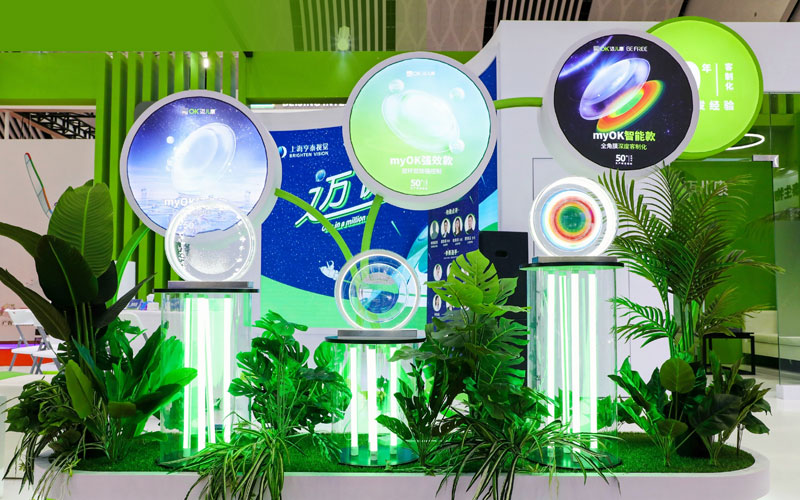
Forms of Exhibition Lighting
1.General Lighting
This refers to the illumination of the entire exhibition space, also known as ambient lighting.
2.Accent Lighting
Also known as focal lighting, it has a more specific purpose and can highlight the most prominent features of the exhibits.
3.Surface Lighting
Illumination for walls, exhibition boards, and paintings, which is mostly lighting for vertical surfaces.
4.Atmospheric Lighting
Achieving dramatic lighting effects with floodlights, laser generators, neon lights, and other fixtures.
Suggestions for Choosing Lighting Sources
For main exhibits, use spotlights or projectors with reflective or focusing devices; for objects that require uniform lighting, use soft, grid-covered fluorescent lights; for exhibits with high color discrimination requirements, use light sources with good color rendering, such as low-pressure halogen, daylight lamps, or a combination of incandescent and fluorescent lights.

 QQ Online
 WeChat Online